Ingredients | Trends | Products |
Women's health: from trend to
product concept
What matters in formulation development
Menstrual cycles, fertility, the menopause, healthy ageing or holistic wellbeing: women’s health needs change throughout their lives.
This offers brands the opportunity to develop dietary supplements tailored to specific target groups for each stage of life, translating these trends into successful product concepts. At the same time, questions arise such as: Which ingredients are suitable for which product concept? How can different needs be combined effectively? And how does a good idea become a formulation that is palatable, technically feasible and compliant with regulatory requirements?
As a contract manufacturer of dietary supplements, we support our clients in addressing these questions and developing concrete product ideas.
A market with growth potential
Women’s health is now far more than just a niche topic. Alongside traditional products for the menstrual cycle or pregnancy, solutions for the menopause, mental well-being and general wellbeing are also gaining in importance.
A forecast by Data Bridge Market Research illustrates just how large the market potential is: the global women’s health market, which was valued at US$4 billion in 2022, is projected to rise to US$6.2 billion by 2030, recording annual growth of 5.5 per cent over the forecast period.
It is therefore worth taking a critical look at existing product ranges and focusing on new target groups as well as needs that have been largely overlooked to date. The key is not to offer as many women’s health products as possible. Rather, it is crucial to understand specific needs and derive a coherent product concept from them.

1. The menstrual cycle and PMS
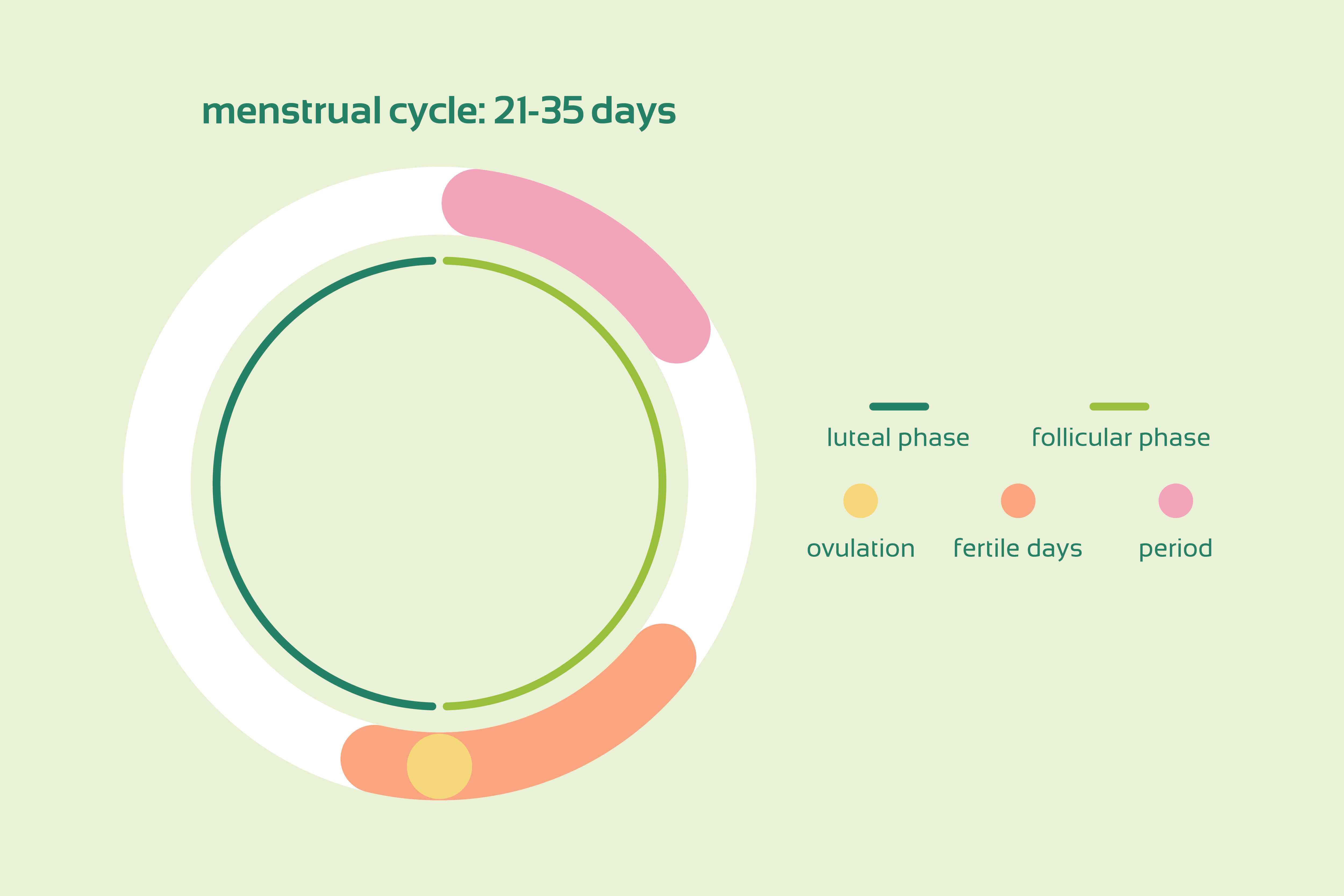
The menstrual cycle is characterised by changes in hormone levels. In adults, a cycle often lasts between 21 and 35 days and is usually divided into four phases: the follicular phase, ovulation, the luteal phase and menstruation.
These hormonal changes can affect physical and emotional wellbeing in different ways for each individual. Particularly in the second half of the cycle, some women report premenstrual symptoms such as irritability, mood swings, tiredness or a feeling of tension. During menstruation, symptoms such as lower abdominal pain, headaches and exhaustion may occur.
This raises the question for brands: should the product focus on providing nutrients, or should it address a specific need within the cycle? We’d be happy to help you answer this question individually.

Monk’s pepper
It is traditionally used in products relating to the menstrual cycle. The evidence depends on the specific application.
Lady’s mantle
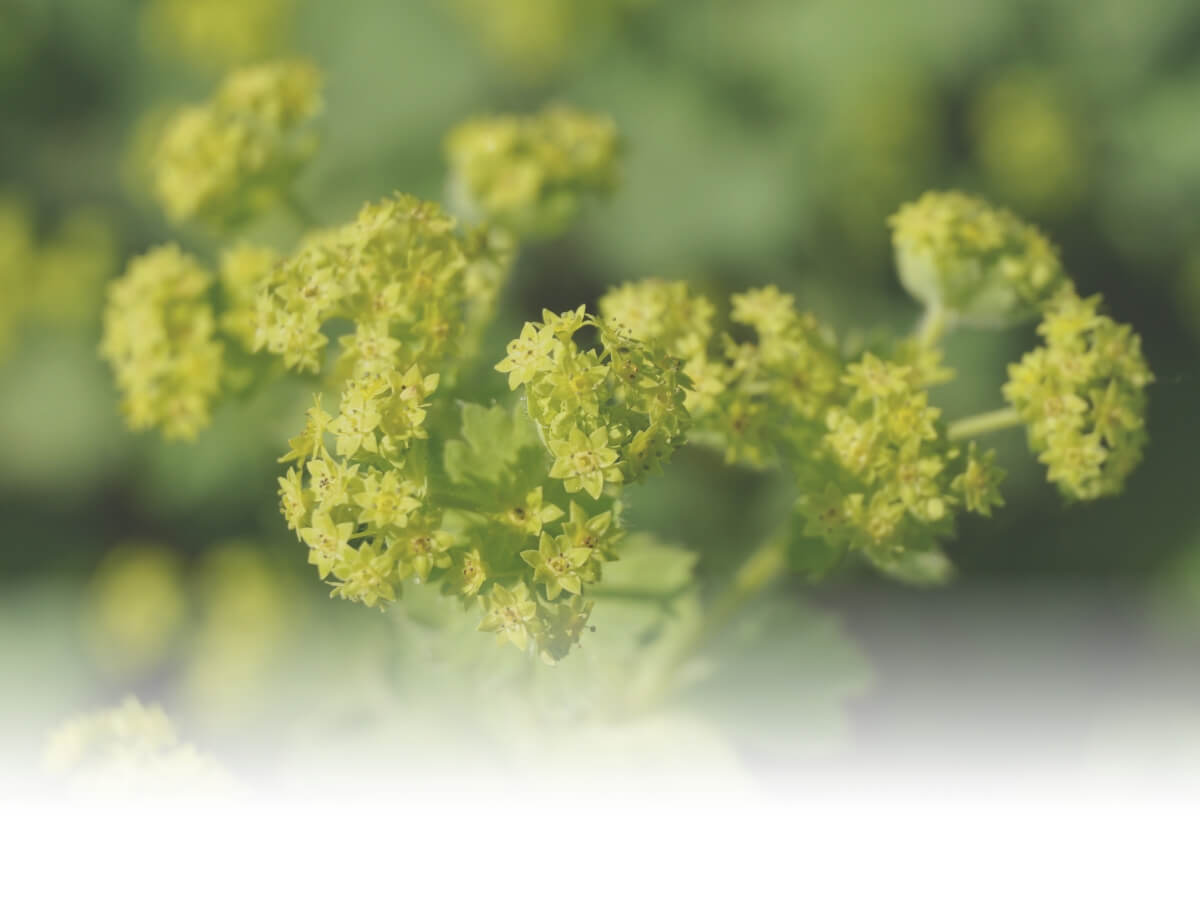
It is a traditionally used plant-based raw material, the use of which requires a careful assessment of the available scientific evidence.
Myo-inositol
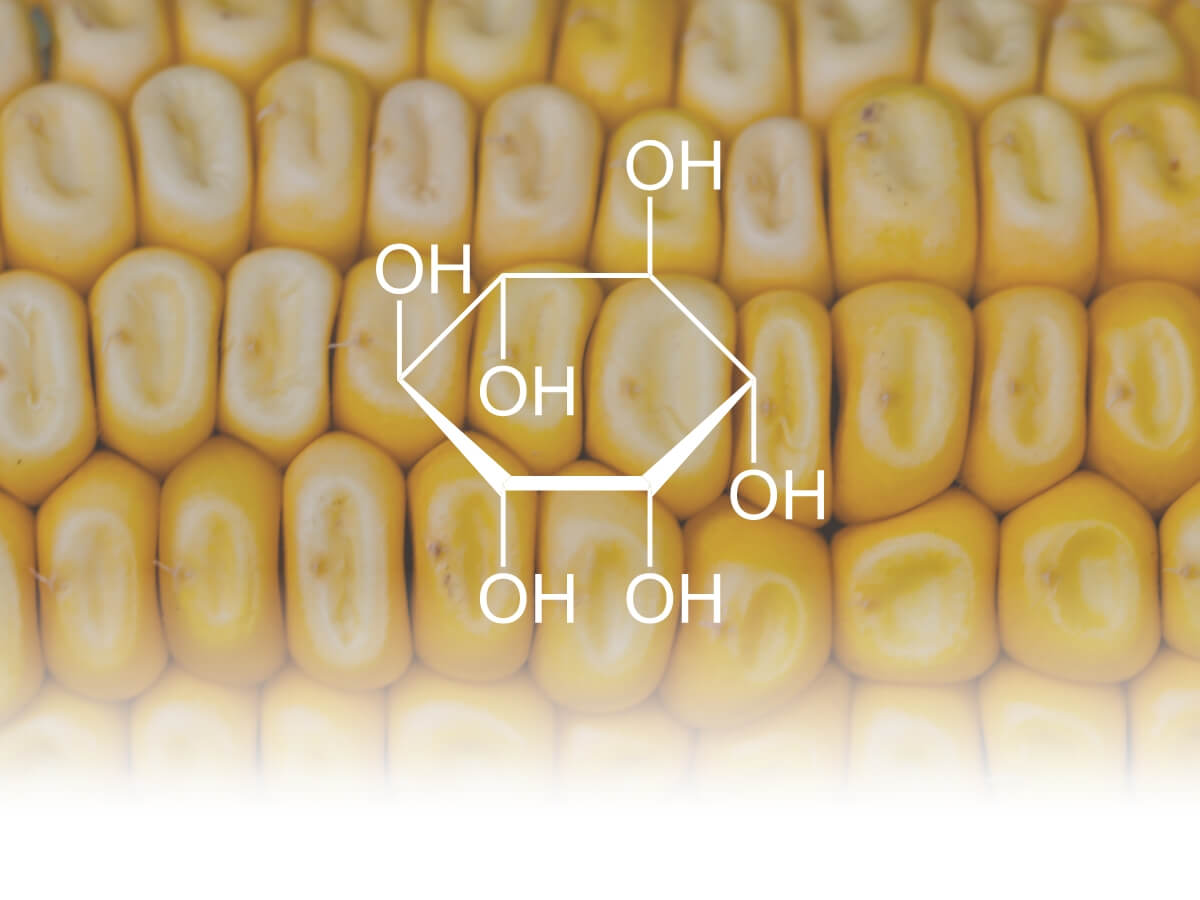
It is considered, amongst other things, in approaches relating to the female cycle and reproductive health.

Saffron extract
It is an interesting resource for concepts that deal with mood and emotional wellbeing.
Magnesium
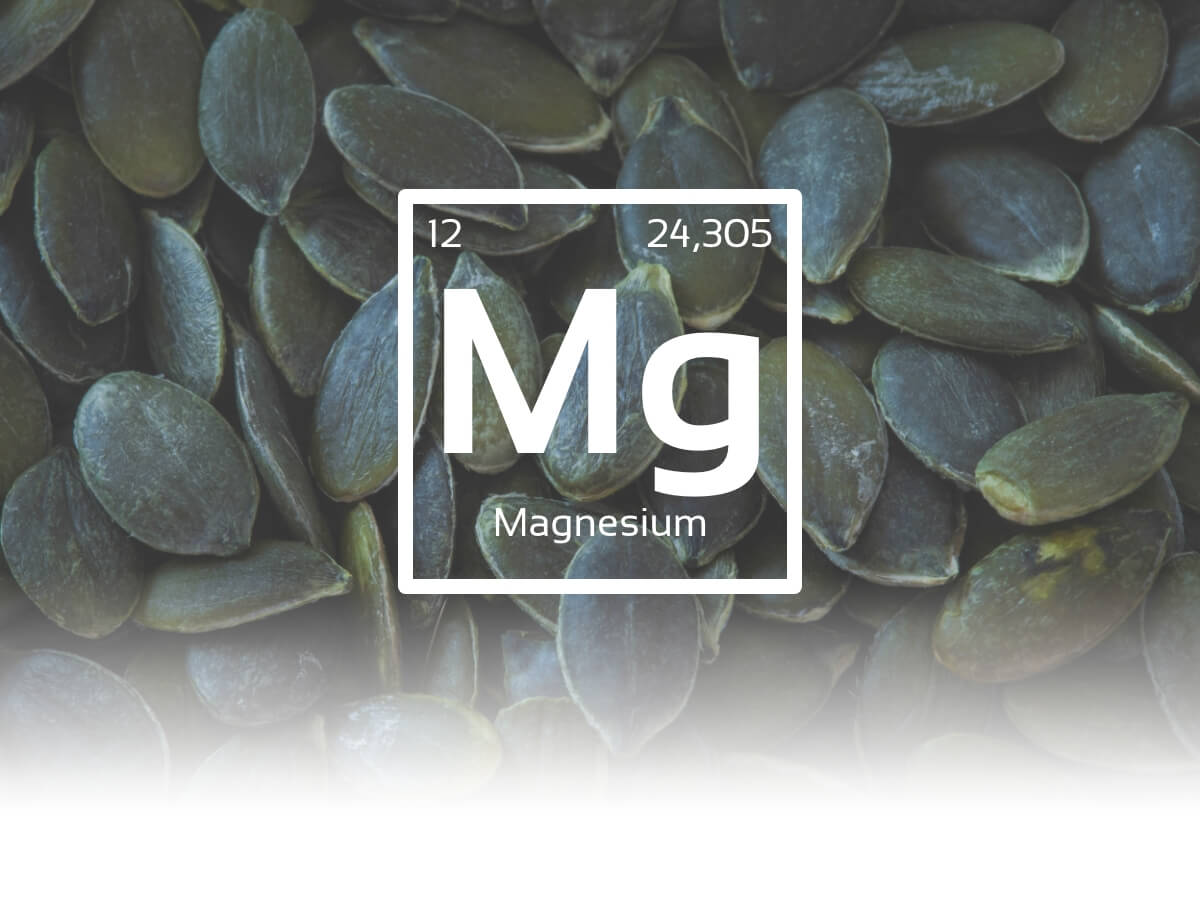
Helps maintain normal energy metabolism and reduces tiredness.
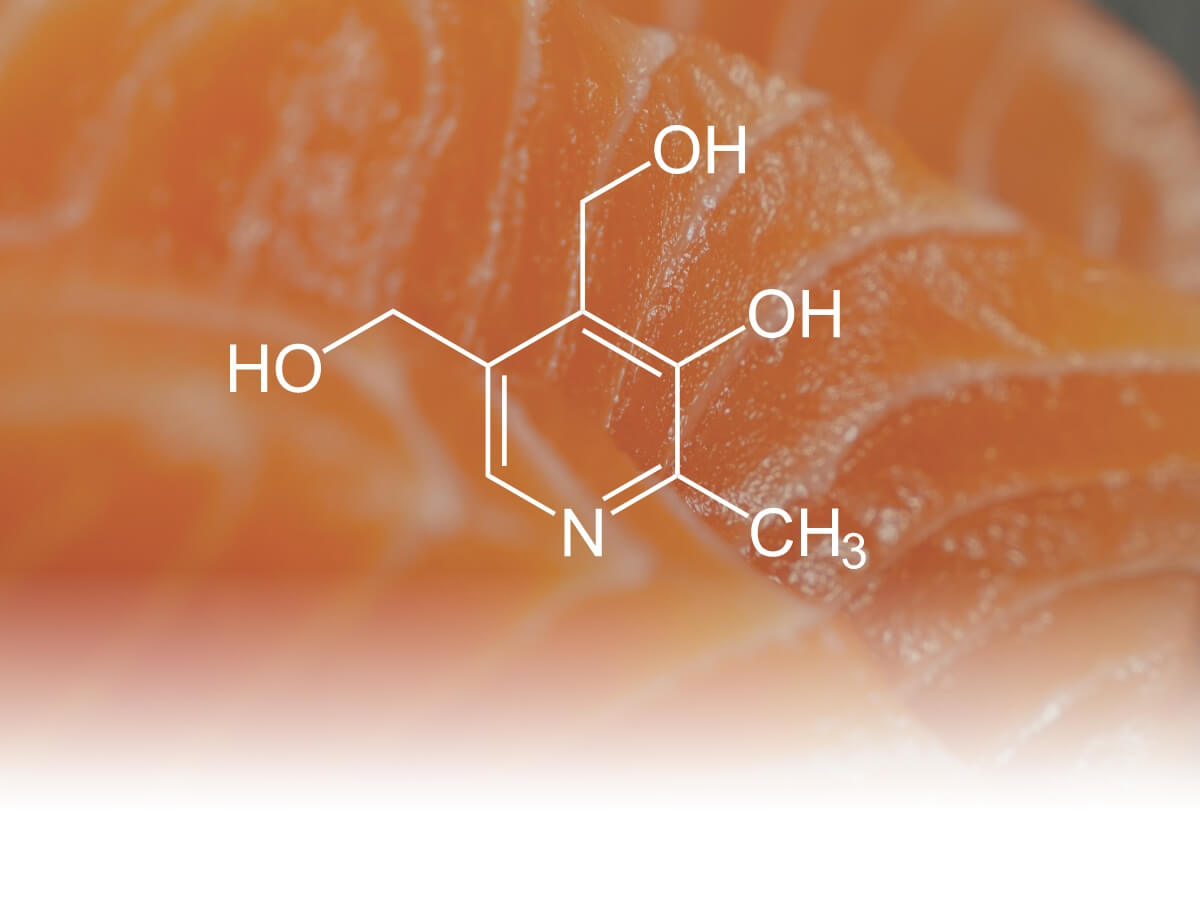
Vitamin B6
Helps to regulate hormonal activity and supports normal energy metabolism.

From product development:
A well-thought-out cycle concept
One possible formulation combines lady’s mantle extract, monk’s pepper fruit extract and saffron flower extract with iron, vitamin B6 and other vitamins and minerals.
Our ‘Femme Complex’ tablet formulation illustrates this approach. It demonstrates how herbal ingredients and selected micronutrients can be combined in a compact dosage form.
2. Menopause and the change of life
During the menopause, hormone production changes. Perimenopause is often characterised by irregular cycles and fluctuating hormone levels. The last period, known as the menopause, is followed by the postmenopausal period.
During this time, symptoms such as hot flushes, sleep problems, joint discomfort, mood swings and difficulty concentrating may occur.
For product development, this means that the key factor is which specific needs a product is intended to address. Rather than focusing on as many symptoms as possible at once, the ingredients, product concept and method of application should be tailored to one another.

3. Planning a family and pregnancy
Some women may also be interested in dietary supplements relating to fertility and pregnancy. In particular, taking folic acid supplements before and during pregnancy can be beneficial, as folic acid contributes to cell division and the growth of maternal tissue. Furthermore, low folate levels can be a risk factor for the development of neural tube defects in the foetus.
Private-label tablets for the period when you’re trying for a baby
Suitable options for this stage of life include, for example, our kiwi-flavoured folic acid lozenges or our Femme Fertile tablets, which contain vitamin B12 as well as iodine. We are happy to tailor the specific formulation to suit the target group and the intended purpose.
Cranberry as a raw material for
women’s health programmes
Women’s health affects every stage of life
Women’s health is not limited to the menstrual cycle and the menopause. There is growing interest in product concepts that address multiple aspects of women’s wellbeing. This broader approach is summarised under the term ‘women’s wellness’.
In this context, cranberry is currently in demand as a plant-based raw material. The fruit is particularly frequently incorporated into product concepts in connection with the urinary tract, but also with general female wellbeing.
For your brand, it is crucial to know which claims you can make about cranberry in a legally compliant manner. In 2025, the EFSA concluded that the scientific evidence presented was insufficient to establish a causal link between cranberry powder and the prevention of bacterial infections in the lower urinary tract. Cranberry should therefore not be advertised as a means of preventing or treating urinary tract infections.
What does this mean for your product development? Cranberry can still be an interesting raw material for new product concepts. The key is not to position the raw material solely on the basis of a specific health claim, but to assess from the outset which formulation makes sense and which product message can be communicated on a sound scientific and legal basis.
Did you know …
… that, from 2 August 2026, key transparency requirements under the European AI Regulation (EU) 2024/1689 will apply to the design of product packaging?
One of the aims of the Regulation is to ensure that AI-generated or AI-modified content is identifiable as such in certain cases. For example, if AI-generated images or other AI-generated content are used on a product’s packaging, this must be labelled in accordance with Article 50. This can be done, for instance, by printing the note ‘AI-generated graphic’ on the packaging alongside an AI-generated image.
The labelling requirements that apply depend, amongst other things, on the nature of the content and its intended use.

Women’s Health
with BHI
From product concept to market-ready formulation
Whether it’s the menstrual cycle, the menopause, fertility or women’s wellbeing – successful women’s health products are developed based on a clear understanding of the target audience and a formulation tailored to their needs.
As a B2B contract manufacturer, we support you in developing bespoke dietary supplements. From the initial concept through to the selection of suitable raw materials, and on to formulation, flavour and the appropriate dosage form, we work alongside you throughout the development process.
Would you like to expand your women’s health range or develop a new concept?

Stay up to date with product trends
It’s not just women’s health that’s generating excitement
New raw materials, innovative dosage forms and changing market needs are constantly opening up new opportunities for dietary supplements.
With our monthly newsletter, you’ll gain insights into the latest industry trends, inspiration for new product concepts and practical knowledge from product development – directly from the perspective of an experienced contract manufacturer.