

Newsletter | Ingredients | Trends |
Casein: The Protein Trend of 2026
Muscle recovery, satiety, and new product opportunities
Fitness and muscle building are more popular than ever, so the protein market continues to boom. However, the focus is no longer just on getting a quick boost of energy and protein before a workout, but also on the long-term maintenance and recovery of trained muscles. The same goes for the smart combination of proteins with other active ingredients to provide additional health benefits.
That’s why, in this blog post, we’re exploring the potential of casein – a protein that has been underestimated until now. We’ll also take a look at our vegan protein portfolio.
What is casein?
Casein is a protein found in milk. Milk protein consists of 80% casein and 20% whey protein. Unlike whey protein, casein is digested slowly. It is therefore believed to be particularly effective at counteracting muscle breakdown during rest periods, such as while sleeping, and to support muscle recovery after exercise, especially overnight.
In addition, casein is said to promote a longer-lasting feeling of fullness compared to other proteins. As a result, casein is becoming increasingly important in modern sports nutrition and health products.
What does casein do?
Casein is not only an effective building block for muscle growth and maintenance in sports, but it also offers additional benefits.
Its long-lasting satiety effect, compared to other proteins, makes casein ideal for anyone who wants to build muscle while also losing weight. This also makes it an ideal protein source for meal replacement products, for example.

Product Concept #1: Whey Caseinate
Are you interested in a white-label casein product for the sports industry?
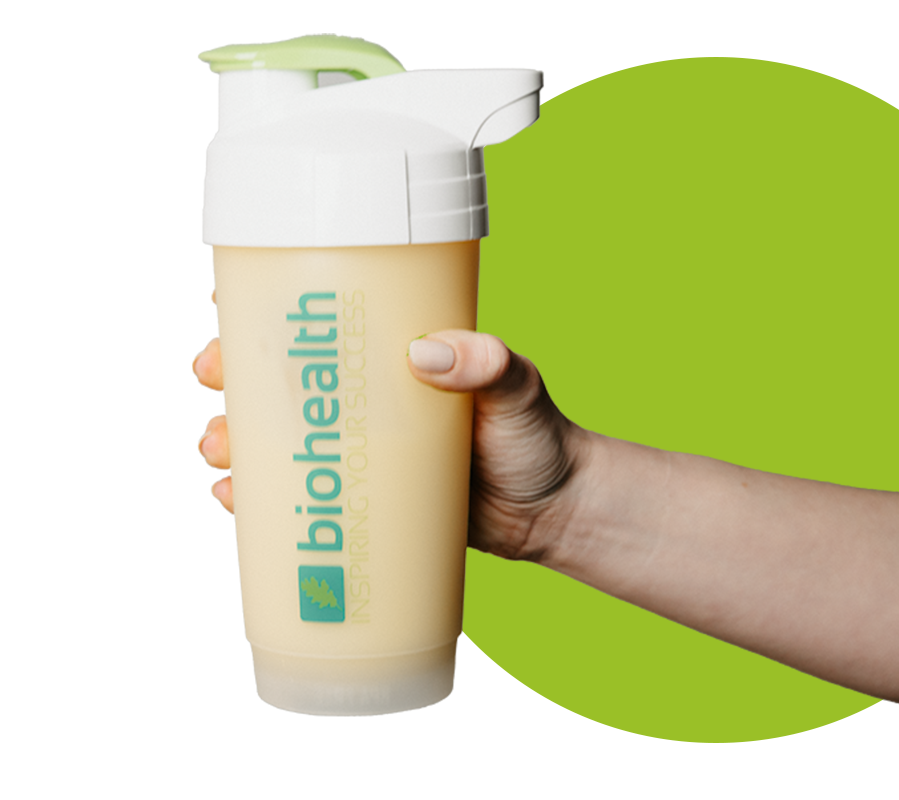
Our Whey Caseinate combines high-quality protein – which helps maintain and build muscle mass – with magnesium and zinc to support normal protein synthesis and muscle function. It is available in vanilla, chocolate, and iced coffee flavors.
Casein in sleep and recovery products
Furthermore, casein is ideal for inclusion in a sleep formula alongside ingredients such as melatonin, valerian, and L-tryptophan.
Casein supplies the muscles with amino acids throughout the night. Melatonin helps reduce the time it takes to fall asleep. L-tryptophan is a precursor to serotonin (the “feel-good” hormone) and melatonin (the “sleep” hormone). Valerian is also known for its calming properties and its positive effect on sleep health.
Healthy sleep has a positive impact on physical performance and makes the next workout more effective.

Product Concept #2: Sleep Cocoa with Casein and Plant-Based Melatonin
Combination products that combine protein supplementation with sleep support are becoming increasingly popular.
Our creamy sleep cocoa with chocolate-pistachio flavor is the perfect white-label product for this purpose, combining 6 g of casein with plant-based melatonin. Amino acids, magnesium, and plant-based ingredients such as valerian root extract, lavender flower powder, and ashwagandha root powder round out the formula.
Why casein is an attractive raw material
Casein’s wide availability and the fact that its raw material prices are rising at a slower rate than those of whey protein also make it an attractive choice right now. Casein thus opens up exciting opportunities for innovative product concepts, particularly for brands in the sports nutrition, functional food, and dietary supplement sectors.
Are you interested in a protein shake, a meal replacement, or a sleep formula based on casein? Contact us! Our development department is also happy to support you with its expertise for individual ideas and help you implement your product idea in the best possible way.
Plant-based proteins remain popular
Of course, we don’t just work with animal proteins. We also have a broad range of vegan products. Our vegan portfolio includes:
- Pea protein
- Rice protein
- Soy protein
- Field bean protein
- Hemp protein
- Pumpkin protein
- Sunflower seed protein
With their high protein content of approximately 75–90% – depending on the protein source and degree of filtration – pea, rice, soy, and field bean proteins are ideal as the main protein component in a protein shake.
Hemp, pumpkin, and sunflower seed proteins have lower protein contents of about 45–60%, but can serve as a useful supplement to a multi-component protein blend.
Why plant-based protein alternatives are becoming increasingly important
Plant-based proteins are becoming increasingly important, particularly among health-conscious and sustainability-oriented target groups. Modern formulations often rely on multi-component solutions to optimally combine taste, texture, and amino acid profile.
This leads to innovative product concepts for:
- Vegan protein shakes
- Meal replacement products
- High-protein snacks
- Functional foods
- Sports nutrition
- Lifestyle products
Are you looking to launch or expand your vegan protein line? Together, we’ll develop vegan protein recipes that appeal to your customers’ taste buds.
FAQs about Casein and Plant-Based Proteins
Casein is a milk protein that accounts for about 80% of total milk protein. It is digested more slowly than whey protein and is particularly well-suited for providing a sustained supply of amino acids.
Casein can support muscle growth and maintenance by providing the body with a steady supply of amino acids over the long term. In addition, casein often leaves you feeling fuller for longer than many other protein sources.
Casein occurs naturally in milk and numerous dairy products. Foods such as quark, cheese, yogurt, and milk contain particularly high amounts. Many milk-based protein products and special casein powders also contain high concentrations of this protein.
The typical color of casein ranges from creamy white to slightly yellowish. The color may vary slightly depending on the quality of the raw material, the degree of filtration, and further processing. Consistent raw material quality is therefore particularly important in the development of high-quality dietary supplements.
Casein powder is primarily used in sports nutrition and functional dietary supplements. It is often added to protein shakes consumed before bedtime. In addition, casein powder is ideal for meal replacement products, recovery formulas, or combined sleep and recovery products.
Among the most popular plant-based protein alternatives are pea protein, rice protein, soy protein, hemp seed protein, pumpkin seed protein, and sunflower seed protein. Many of these plant-based proteins are characterized by high protein content and versatility.