
Inulin
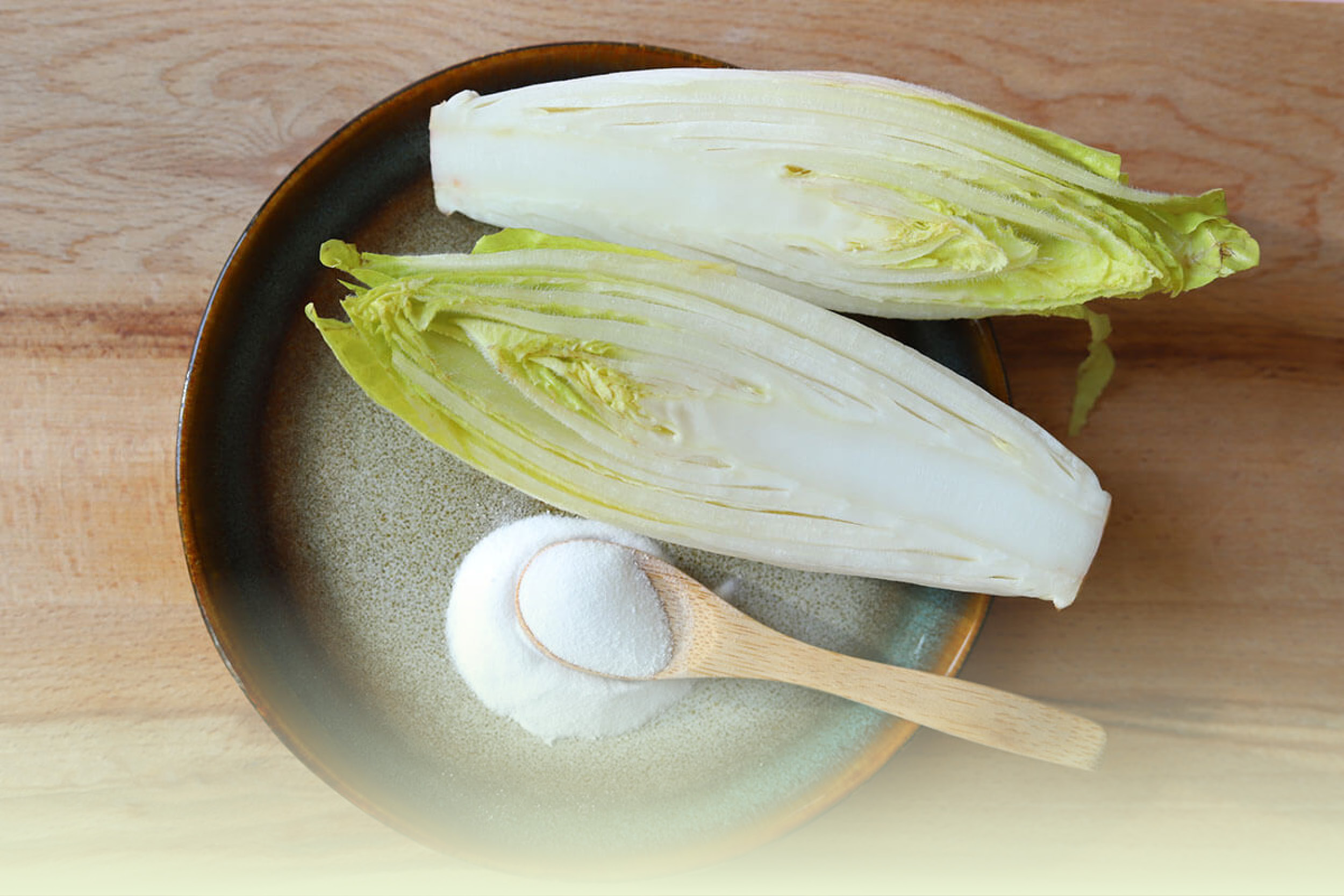
Inulin is obtained from chicory or agave, for example. The fiber content of inulin powder is usually around 90%. This makes inulin particularly suitable for products where a high fiber content is desired.
Acacia fiber powder
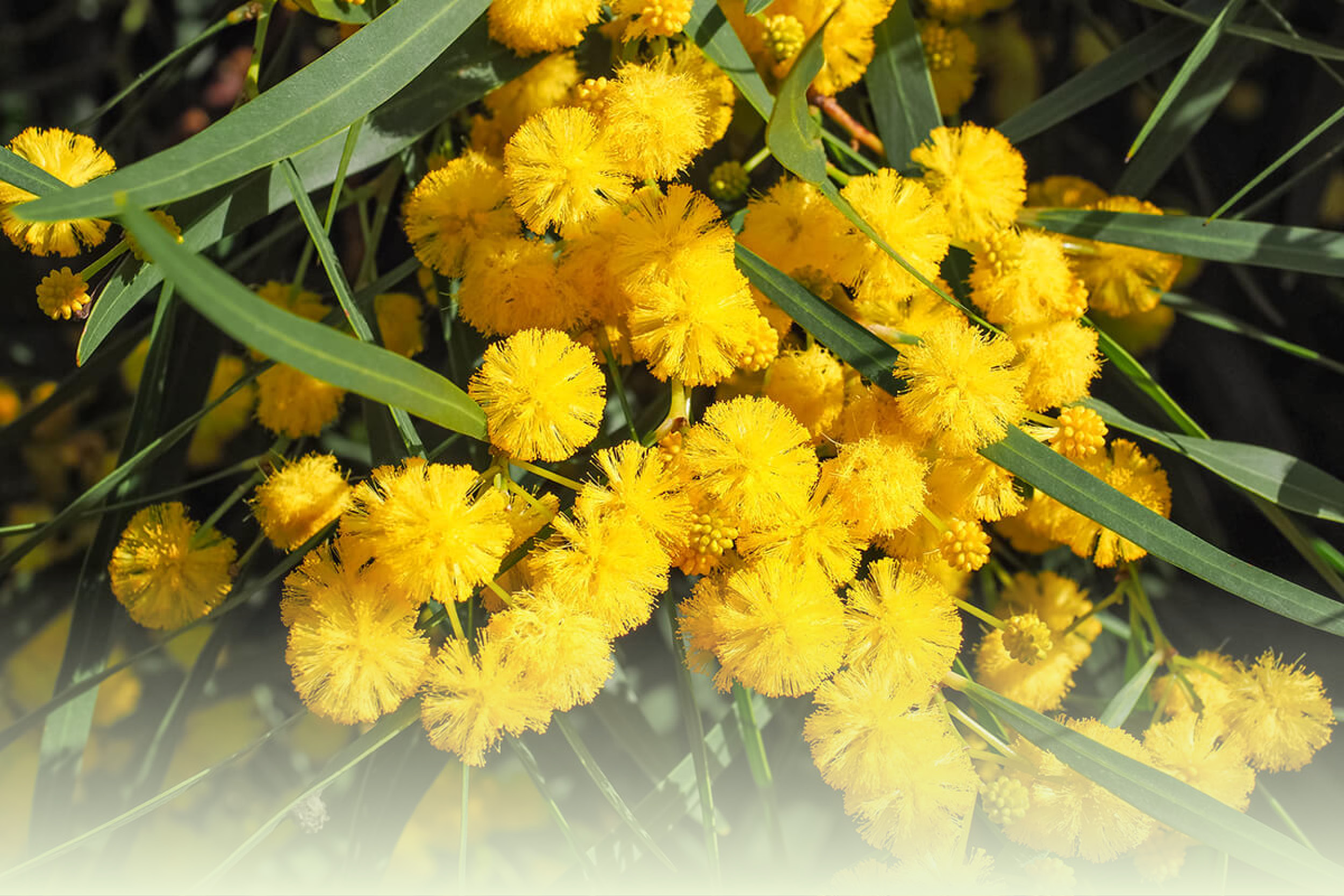
Acacia fiber is a soluble dietary fiber from the sap of acacia trees. The fiber content is around 80 %. Compared to some other dietary fibers - such as psyllium husks - acacia fiber is considered to be better tolerated and less likely to cause flatulence.
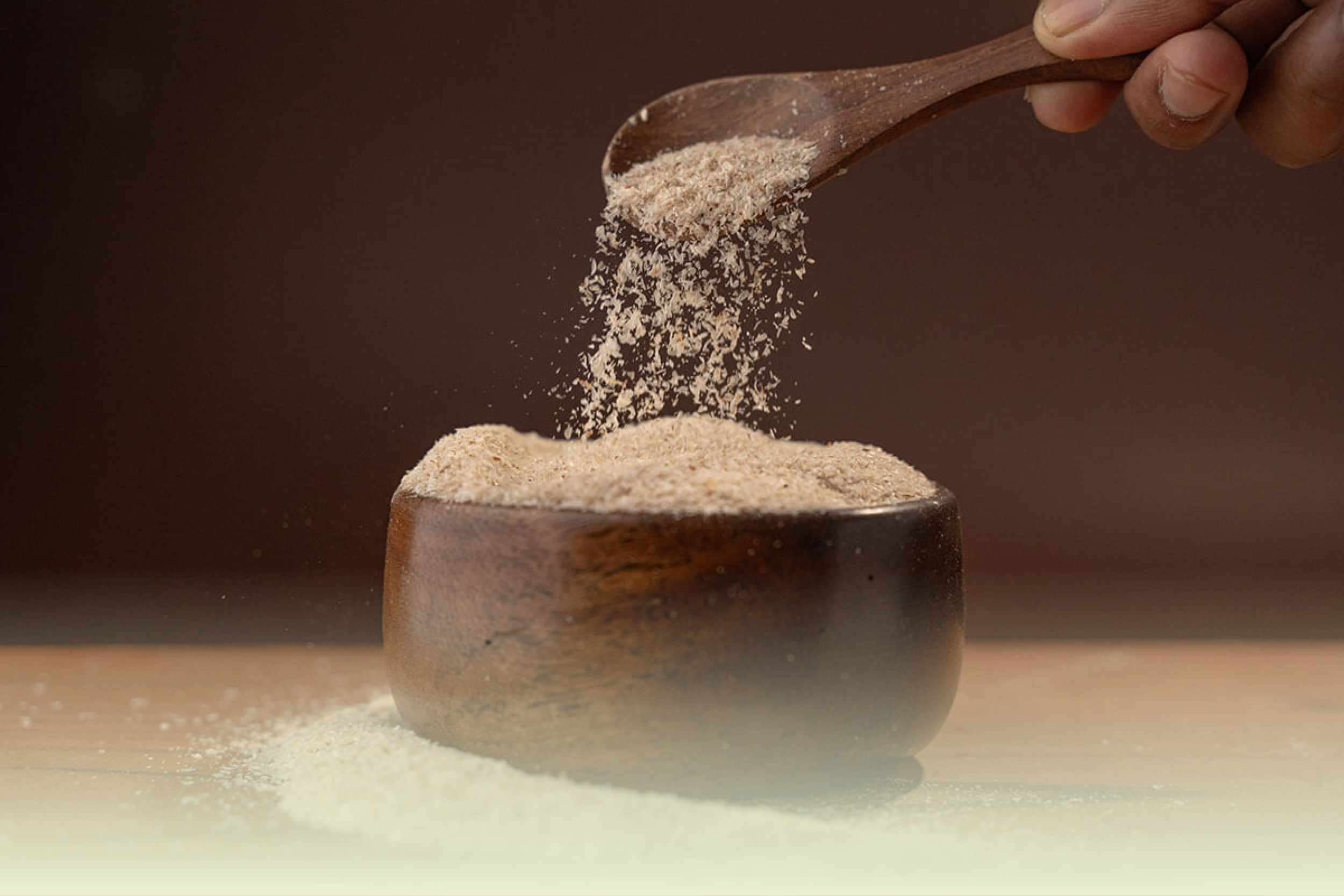
Psyllium husk powder
Psyllium husks contain between 70 % and 90 % fiber. They are characterized by a high swelling capacity and can absorb up to 40 times their own weight in water. This makes them ideal for weight management concepts. However, it is important to drink enough fluids to avoid digestive problems.
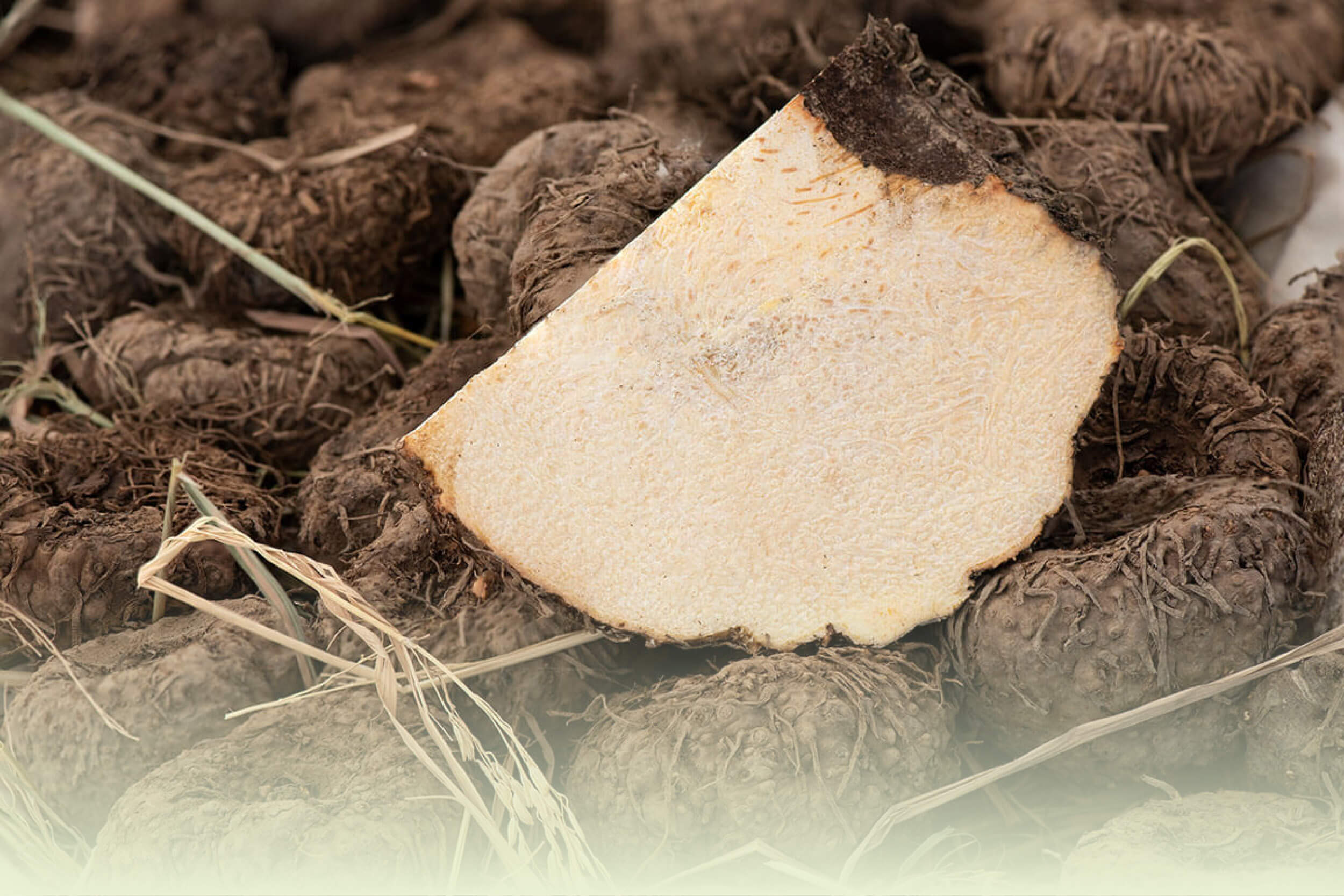
Konjac root powder
Konjac root is known for its high content of the dietary fiber glucomannan (approx. 80 to 95%). This has the highest known water-binding capacity and can bind up to 100 times its own weight in water. Glucomannan swells accordingly in the stomach and provides a pronounced feeling of satiety.
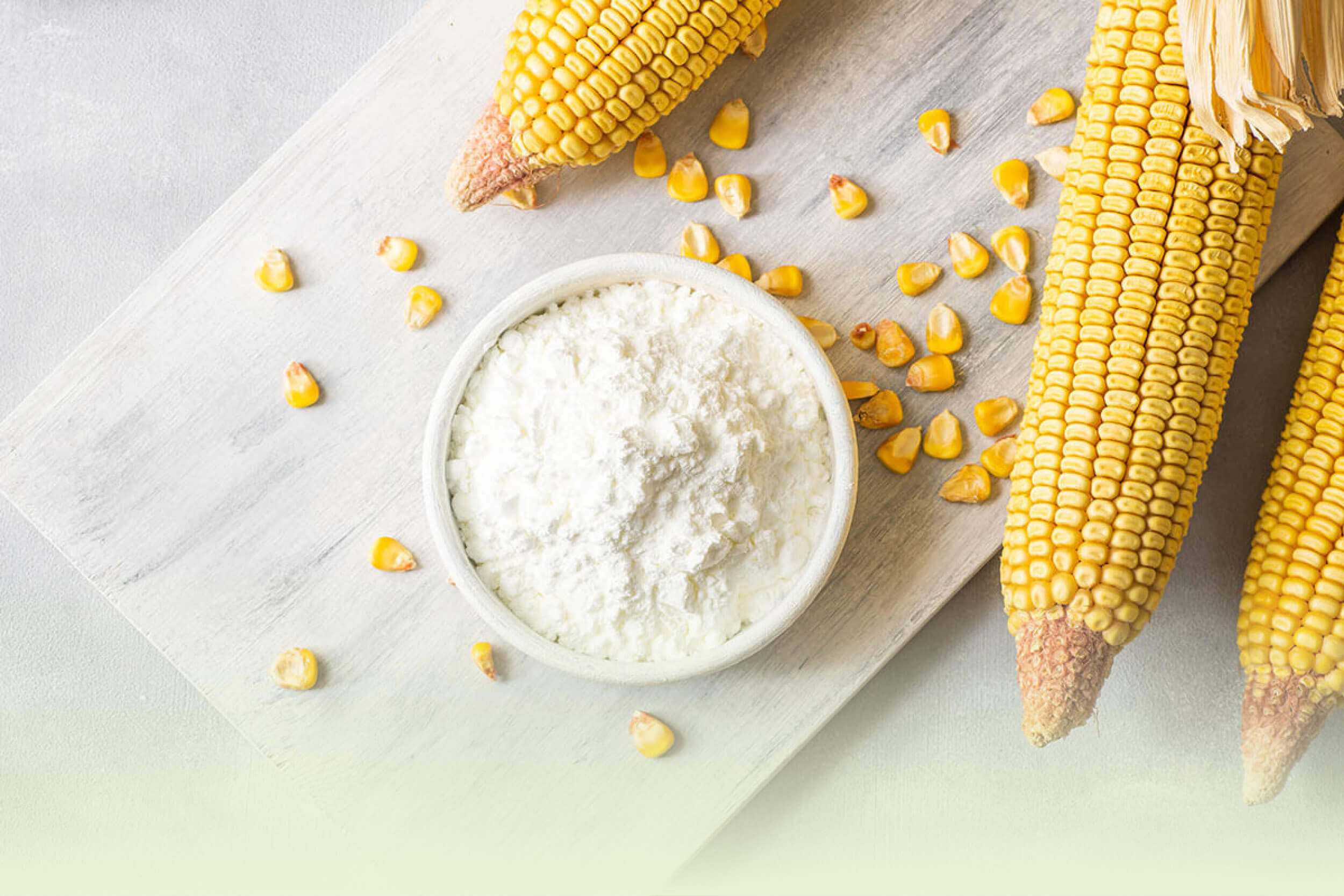
Resistant maize dextrin
Resistant maize dextrin is a degradation product of maize starch and has a fiber content of 80 % to 90 %. Resistant maize dextrin is considered to be one of the better tolerated dietary fibres and is less likely to cause flatulence.
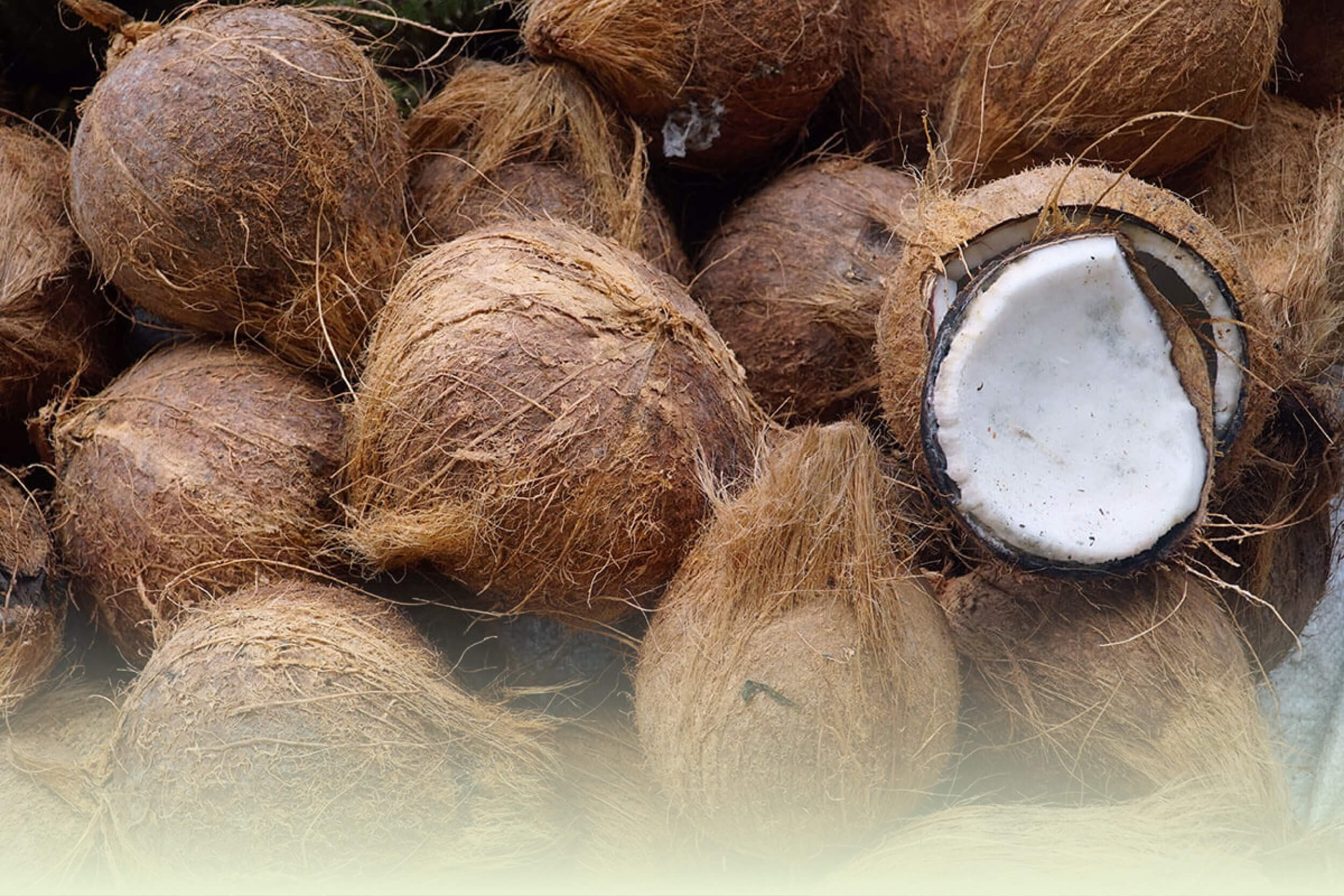
Coconut fiber powder
Coconut fiber powder is obtained from dried, white coconut meat. The fiber content is around 65 - 70 %. The coconut fiber powder has a typical coconut smell, a slight coconut taste and a soft mouthfeel.
Oat fiber powder
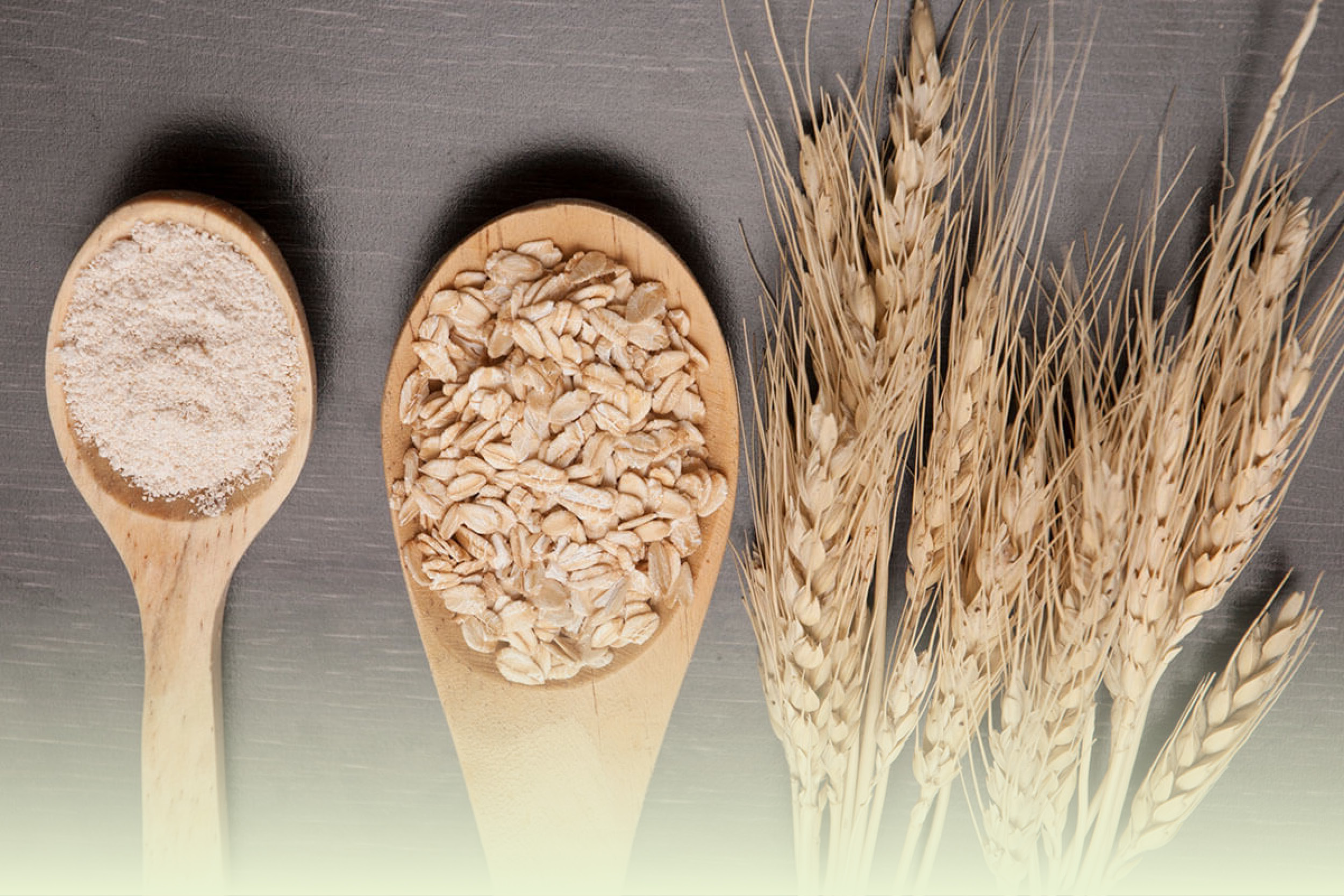
Oat fiber powder has a high fiber content of over 90 %. In contrast to oat bran, the fibers are obtained from the oat hulls, a by-product of oatmeal production. Oat fiber contains almost no carbohydrates and is often also available gluten-free.
Apple fiber powder
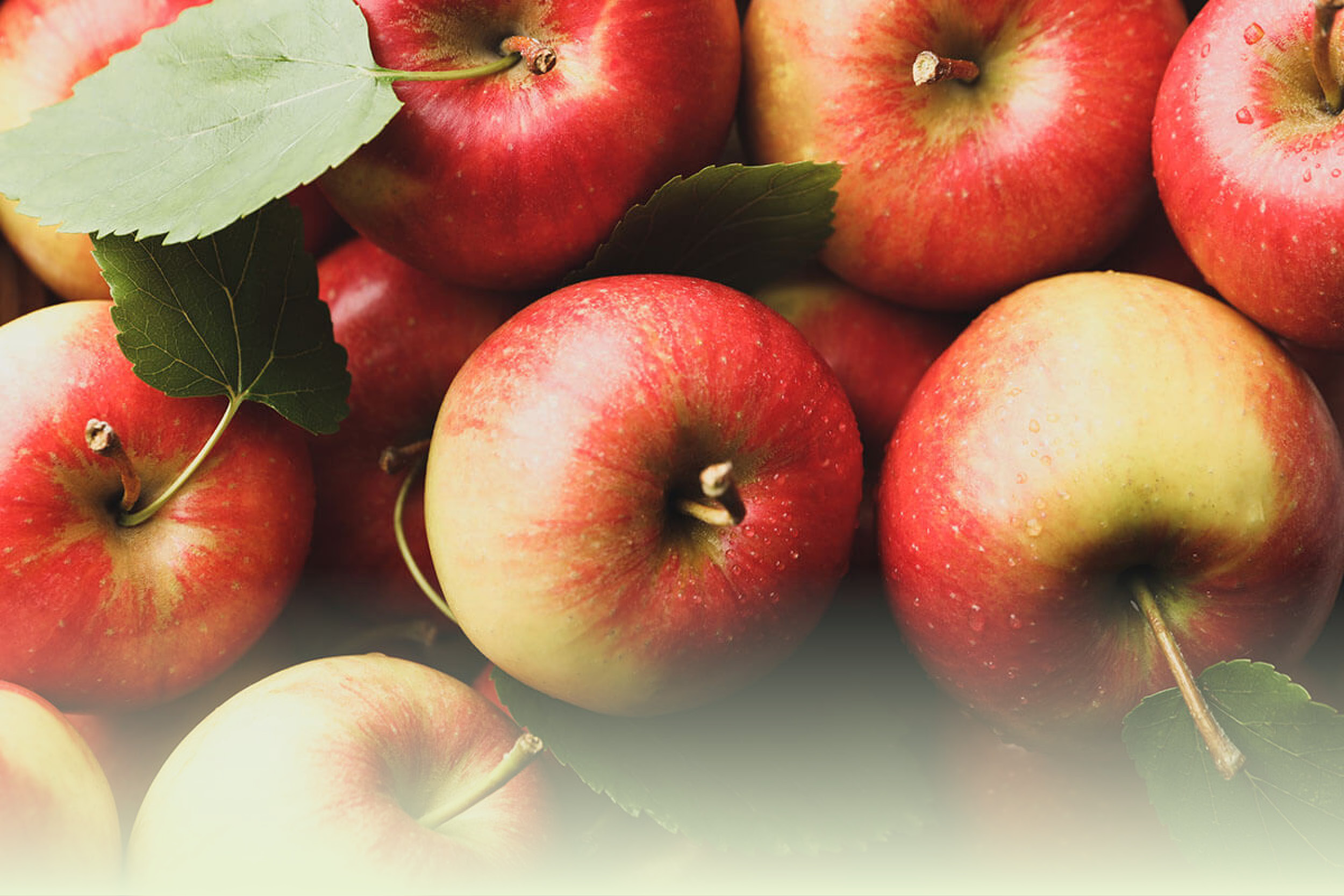
Apple fiber is obtained from de-juiced apples and contains insoluble fiber as well as soluble pectins. The fiber content of apple fiber powder is around 55%. Compared to other fiber powders, apple fiber has a relatively high proportion of carbohydrates.
Pectins
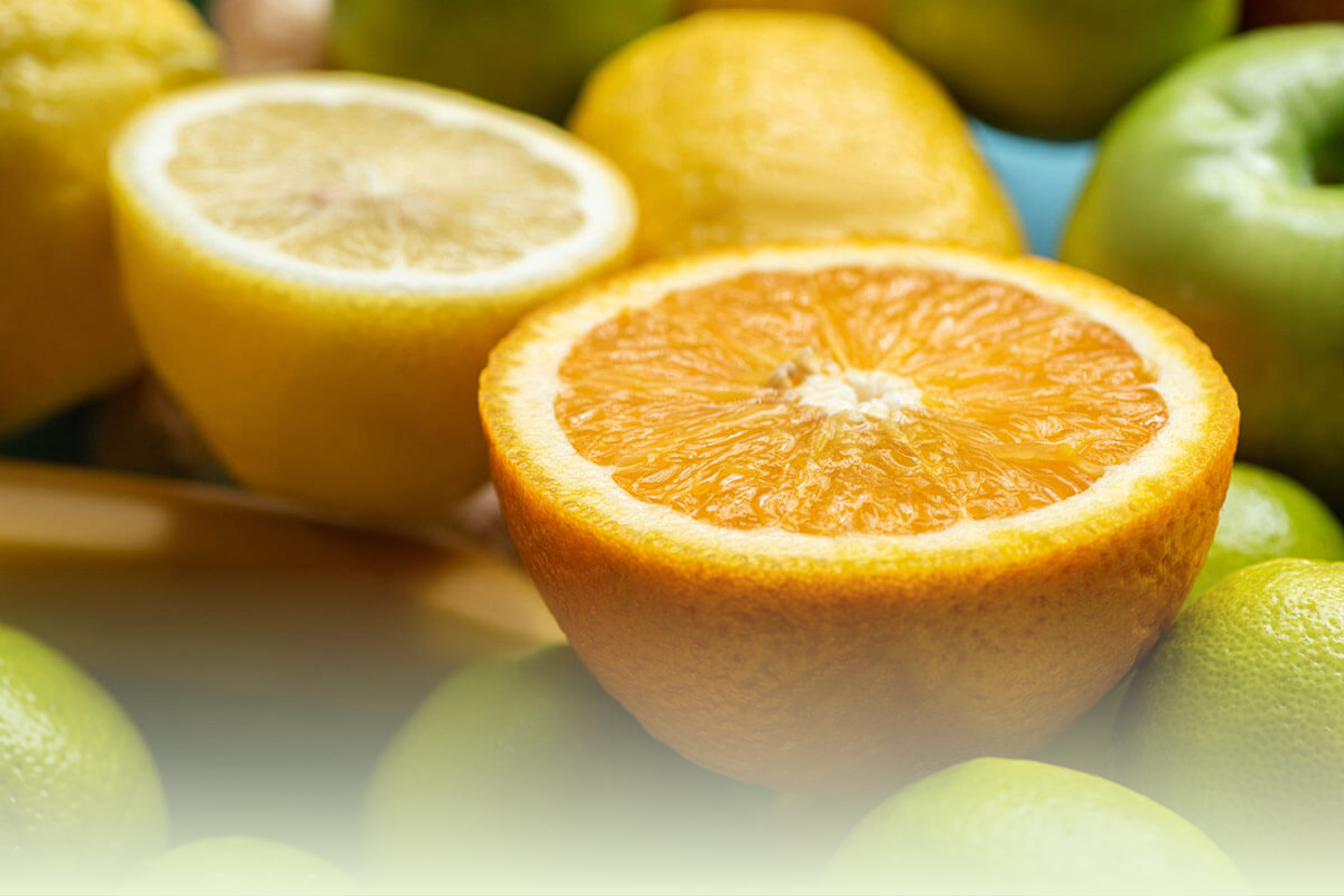
Pectins are soluble vegetable fibres that are obtained from apples and citrus fruits, among other things. In addition to their use as fiber, they are also known as a natural gelling agent - for example in jams. The fiber content is between 70 % and 85 %.
Beta-glucans
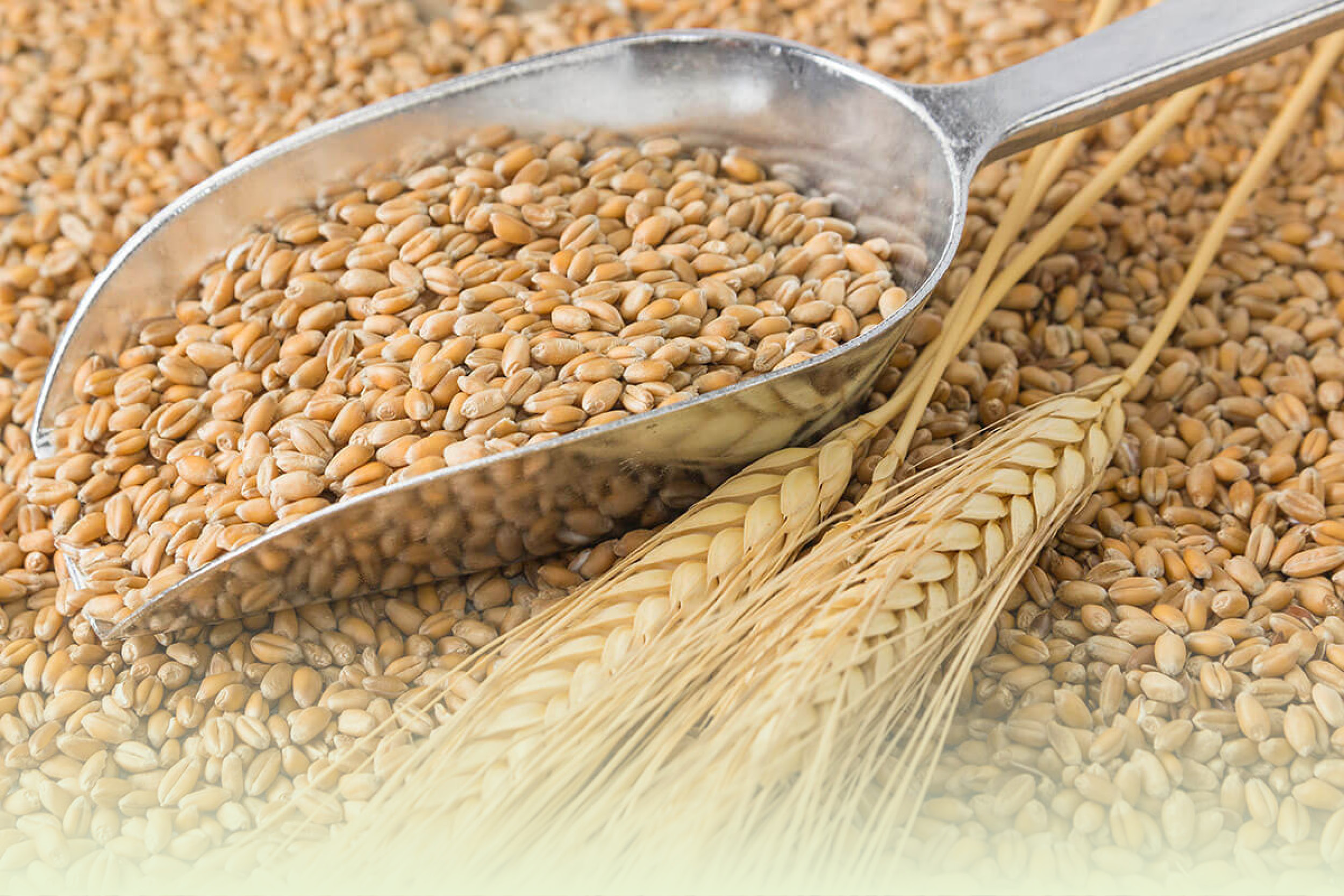
Beta-glucans can be obtained from oats, barley or yeast. Beta-glucans obtained from cereals contain around 70% fiber, while isolated beta-glucans from yeast can reach levels of 85-90%. The approved EFSA Health Claims "Beta-glucans contribute to the maintenance of normal blood cholesterol levels" and "The intake of beta-glucans from oats or barley as part of a meal contributes to a lower rise in blood glucose levels after a meal" may only be used for beta-glucans from oats and barley.

FOS and GOS
Fructooligosaccharides (FOS) and galactooligosaccharides (GOS) are particularly well known in the field of infant nutrition. They are similar in their properties to the natural micholigosaccharides in human breast milk. As prebiotics, they are also used in food supplements for intestinal health - for example in our Mellow Yellow.
Both are soluble dietary fibers, although their fiber content can vary depending on the raw material and manufacturing process: High-purity FOS provide over 90% fiber, while GOS can also contain sugar components (e.g. lactose). This range enables targeted adaptation to the respective product concept - for example with regard to fiber content, sweetness or tolerability.